General Contractor: Your Primary Professional for Home Projects
A general contractor holds an indispensable position in building projects. They handle various components of building operations, ensuring that all work proceeds without incident. Their command of building codes and standards allows them to address the challenges of authorizations and inspections. This knowledgeable professional represents an important bridge between homeowners and subcontractors. However, many homeowners feel unsure about the breadth of their offerings. Understanding these points can greatly impact the success of any renovation project.
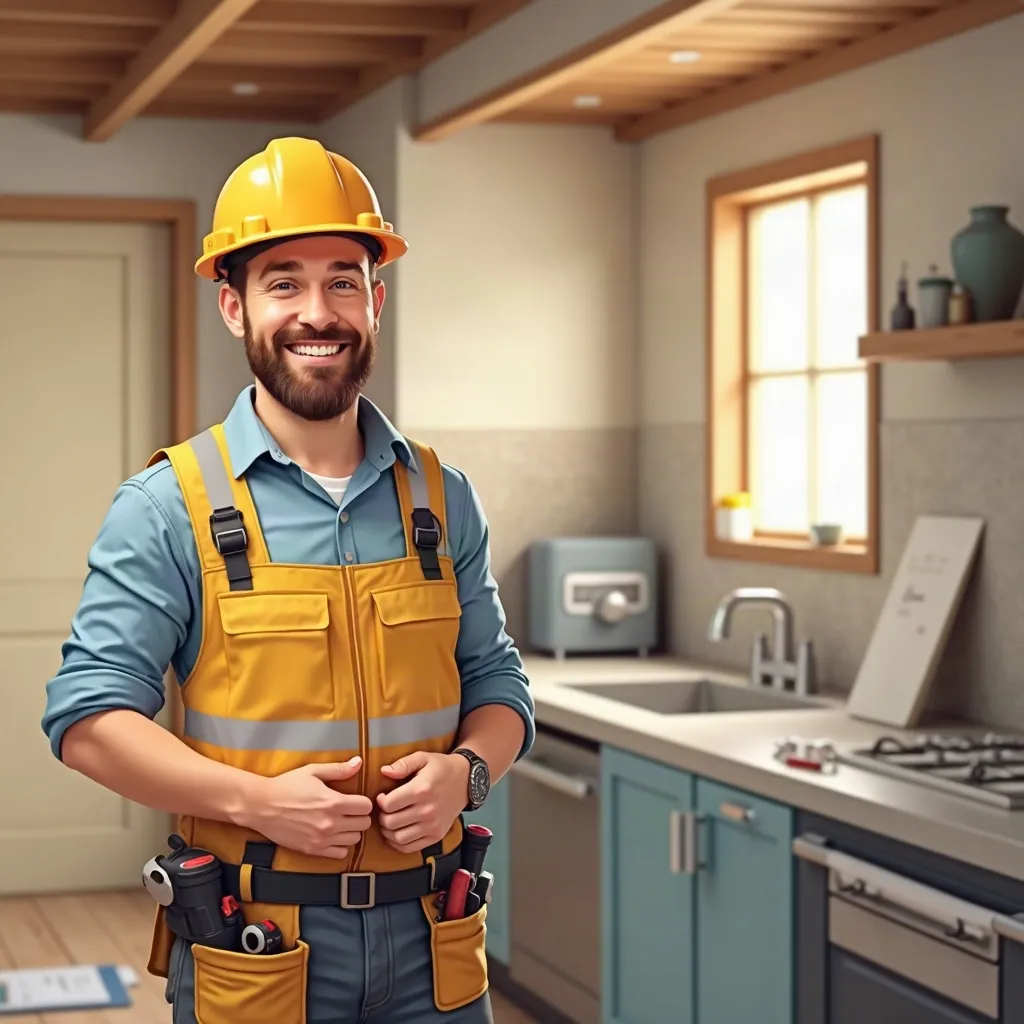
In What Ways Do a General Contractor Operate?
A general contractor directs the assorted components of a development project, making sure that everything runs smoothly from commencement to conclusion. They serve as the leading contact point, managing exchanges between clients, subcontractors, and suppliers. This role entails designing the project timeline, mobilizing labor, and ensuring observance with local building codes and regulations.
General contractors are responsible for acquiring required licenses and arranging inspections, which are vital for maintaining safety and quality standards. They also handle budget planning, material procurement, and overseeing site operations to mitigate any potential delays or issues. In addition, they supervise subcontractors, ensuring that each phase of construction aligns with project specifications and timelines. Overall, a general contractor's expertise and organizational skills are essential to delivering a successful construction project, turning a client's vision into reality while managing multiple duties and obligations.
Advantages of Choosing a General Contractor for Home Remodeling
Using a general contractor for property remodeling offers numerous benefits that can substantially enhance the quality and efficiency of the renovation. General contractors deliver expertise in project management, guaranteeing deadlines are honored and resources are allocated effectively. Their established connections with subcontractors can produce competitive rates and superior workmanship, which ultimately saves homeowners money and time.
Additionally, general contractors manage the detailed aspects of permits and inspections, curbing potential legal issues. They also establish a centralized coordinator, simplifying exchanges and synchronization among various trades. This streamlining diminishes the risk of miscommunications and interruptions.
Additionally, their background lets them to identify potential challenges, enabling proactive solutions to stay on track the project on schedule. By bringing on a general contractor, homeowners can concentrate on their vision while obtaining peace of mind, knowing that a professional is managing every aspect of the renovation.
Refuting Common Myths About General Contractors
While many homeowners may hold misconceptions about contracting professionals, understanding the truths can lead to more educated decisions. One prevalent myth is that hiring a general contractor is unnecessary for minor projects; however, their expertise can streamline even small-scale renovations, ensuring compliance with local codes. Another common belief is that general contractors are merely middlemen, but they often possess extensive knowledge in multiple areas, enabling them to manage projects efficiently. Additionally, some clients think that working with a contractor will significantly increase costs. In truth, a skilled contractor can often secure better rates for materials and labor due to established relationships with suppliers and subcontractors. Finally, many believe that contractors are rigid, but trusted contractors prioritize client communication and collaborate closely to meet individual needs. Dispelled myths can empower clients to leverage the real value of contractors in achieving effective home projects.
Identifying the Most Suitable General Contractor?
How can homeowners ensure they select the right construction professional for their undertakings? The approach begins with comprehensive investigation. Homeowners should seek recommendations from friends, family, or online reviews to locate qualified contractors. Once a compilation is assembled, confirming qualifications, such as licensing, bonding, and insurance, is vital to confirm legitimacy.
Next, homeowners should request and review collections of previous work, concentrating on projects similar in scope. Setting up interviews allows property owners to gauge compatibility, discussing timelines, budgets, and expectations. It's also recommended to obtain multiple quotes for evaluation, offering a clear understanding of costs.
Verifying references gives perspective on a contractor's competence and integrity. Finally, following your intuition is crucial; an initial meeting can uncover a contractor's interaction pattern and strategy. By following these steps, homeowners can significantly boost their chances of selecting a general contractor who matches their requirements and aspirations.
Strong Messaging Tactics For Working Alongside Your General Contractor
How might homeowners apply approaches to maintain clear exchanges with their general contractor? Initiating direct communication from the commencement is vital. Homeowners must distinctly articulate their goals, project goals, and financial limits during opening conversations. Regular updates can be promoted through arranged gatherings, ensuring that both parties stay synchronized throughout the project.
Leveraging written documentation, like email exchanges and project logs, reinforces spoken arrangements and decreases misunderstandings. Homeowners should equally support transparent communication by soliciting feedback and questions from the contractor, building a cooperative environment.
Moreover, utilizing technology, including project management apps, can streamline communication by providing a centralized platform for sharing information, timelines, and changes. Finally, remaining courteous and accessible can enhance connection, allowing it easier for the contractor to communicate challenges or suggestions successfully. By employing these strategies, homeowners can develop a productive and transparent relationship with their general contractor.
What to Anticipate When Your Undertaking Launches?
As the project launches, homeowners can expect a flurry of activity on-site. The project manager will organize teams of skilled tradespeople, such as electricians, plumbers, and carpenters, who will begin their tasks following the predetermined schedule. Homeowners may observe heavy machinery and materials being delivered, generating a lively environment.
Clear dialogue is vital during this stage. The contractor will communicate progress updates and resolve any concerns that surface. Homeowners should prepare for possible interruptions, such as acoustic disturbances and restricted access to various areas of the home.
Safety protocols will be in place to preserve both workers and residents, ensuring a secure context. Additionally, homeowners may be encouraged to maintain flexibility, as unpredictable obstacles can arise, prompting adjustments to the original plan. Overall, this initial phase sets the stage for the successful completion of the project, and active engagement is essential.
Important Questions for Your General Contractor Agreement?
Identifying the correct questions to pose when completing a general contractor agreement is vital for ensuring a seamless project. Homeowners should question about the contractor's credentials and protection to verify their qualifications and protection against losses. Understanding the project timetable and milestones is important; therefore, asking about projected completion dates helps regulate expectations.
It is also essential to define financial conditions, comprising deposit amounts and payment schedules, to sidestep miscommunications. Residents should obtain a thorough accounting of costs, embracing components and services, to assure openness. In addition, deliberating the process for dealing with changes or unforeseen issues related information can circumvent disagreements in the future.
In conclusion, homeowners should investigate details about the qualifications of their subcontractors, as well as the communication strategy of the contractor throughout the project. By reviewing these points, homeowners can establish a productive relationship with their general contractor, ultimately achieving a successful construction project.
Frequently Asked Questions
In What Manner Do General Contractors Request Payment for Their Services?
General contractors typically bill through set prices, hourly rates, or a percentage of the total project cost. Their pricing may also include materials, work, and operational expenses, based on the complexity and extent of the project.
Can a General Contractor Support With Documentation and Evaluations?
Yes, a general contractor can assist with obtaining permits and managing inspections. They typically handle local codes and guarantee compliance, streamlining the process for homeowners while enabling necessary authorizations throughout the construction project.
What Qualifications Should I Find in a General Contractor?
When identifying a general contractor, one should consider professional standing such as licensing, proper insurance coverage, track record with matching projects, strong references, and excellent communication competencies, ensuring they possess the necessary expertise to manage the project successfully.
How much time Does a Standard Home Renovation Project Take?
A routine home renovation work can extend anywhere from a few weeks to several months, subject to the scope, complexity, and size of the project, as well as the availability of materials and labor.
What Takes Place if My Initiative Exceeds Budget?
Should a project go over budget, the contractor usually communicates the reasons and options with the homeowner. Adjustments may include reducing costs, pursuing more funds, or adjusting the project parameters to align with budget constraints.